Close Menu
    Facebook X (Twitter) Telegram WhatsApp
    • Language
      • دری
      • پښتو
      • العربیة
    • Home
    • Analysis
    • Islam
      • Prophet of Islam (PBUH)
      • Holy Quran
      • Muslim
      • Belief
      • Faith
      • Worships
      • Fiqh
      • Jihad
      • Islamic Perspectives
      • Islamic Economics
      • Islamic Management
      • Islamic Culture
      • Sufism
      • Crimes
      • Prohibitions
      • Sayings of the Scholars
      • Muhajir Tafsir
      • Hadith
    • Religions
      • Judaism
      • Christianity
      • Buddhism
      • Hinduism
      • Zoroastrianism
      • Satanism
      • Confucianism
      • Sikhism
    • Theories
      • Atheism
      • Secularism
      • liberalism
      • Socialism
      • Communism
      • Democracy
      • Federalism
      • Fascism
      • Capitalism
      • Marxism
      • Feminism
      • Nationalism
      • Colonialism
      • Frankfurt School
      • Freemasonry
      • Humanism
    • Fitan
      • Mu’tazila
      • Murji’ah
      • Jahmiyyah
      • The Fitna of the Khawarij
      • The Fitna of the Rawafid
      • The Fitna of Orientalism
      • Ghamdism
      • The Fitna of the Qadianis
      • Qadariyyah
      • Karramiyyah
    • Ummah
      • Sahabah (Companions of the Prophet ﷺ)
        • Hazrat Abu bakr Siddiq (RA)
        • Hazrat Umar al-Faruq (RA)
        • Hazrat Uthman ibn Affan (RA)
        • Hazrat Ali (RA)
        • Hazrat Khalid ibn al-Walid (RA)
        • Hazrat Fayruz al-Daylami (RA)
        • Hazrat Abdullah ibn al-Zubayr (RA)
      • Ummahat al-Mu’minin
      • Islamic scholars
        • Sayed Abul Hasan Nadavi (MGHM)
        • Imam al-Aʿzam Abu Hanifa (RA)
        • Imam al-Bukhari (RA)
        • Imam al-Tirmidhi (RA)
        • Imam al-Ghazali (RA)
        • Shah Waliullah al-Dehlawi (RA)
        • Sayyid Jamal al-Din Afghani
        • Mawlana Jalal al-Din Muhammad Balkhi Rumi (RA)
      • Muslim Rulers
        • Sultan Salahuddin Ayyubi (RH)
        • Umar ibn Abd al-Aziz (RH)
        • Sultan Yusuf ibn Tashfin (RH)
      • Muslim Scientists
    • Refinement&Civilizations
      • Islamic Civilization
      • Eastern and Western Civilizations
      • Traces of History
    • Diverse
      • Ramadan Message
      • Reports
      • Light and Darkness
    • library
    Facebook X (Twitter) Telegram WhatsApp
    kalemaat Englishkalemaat English
    You are at:Home»Religions»Sikhism; Its Origins and Fundamental Beliefs (Part 6)
    Religions

    Sikhism; Its Origins and Fundamental Beliefs (Part 6)

    By 31/05/2025Updated:03/06/2025No Comments4 Mins Read
    Share Facebook Twitter Telegram WhatsApp
    Share
    Facebook Twitter Telegram Email WhatsApp
    Author: Muhajer Azizi
    Sikhism; Its Origins and Fundamental Beliefs (Part 6)
    3. Guru Amar Das
    Guru Amar Das, the third spiritual leader of Sikhism, was born on May 5, 1479, in a village near the present-day city of Lahore in the Punjab region. He came from a Hindu family belonging to the Kshatriya (warrior) caste, a family that strictly adhered to religious beliefs, considering abstinence from meat, alcohol, and physical pleasures as the main principles.
    He made many efforts to organize, strengthen, and develop the Sikh community. Amar Das was chosen as the successor by Guru Angad due to his merits in 1552, at the age of 73, and led the spiritual and political leadership of the Sikh community for 22 years. He was also the uncle of Guru Angad’s son-in-law, which brought him closer to Angad and increased his devotion.
    A: Activities and Achievements
    The Sikh community witnessed significant reforms and fundamental measures during the 22-year leadership of Guru Amar Das, the most important of which are mentioned below:
    1. Guru Amar Das was the first Sikh leader to explicitly reject and declare the caste system null and void.
    2. He was a prominent reformer who brought about numerous social and cultural reforms, including granting special rights to women while also calling on them to observe the hijab. He also put an end to the superstitious and painful ritual during which widows were burned alive at their husbands’ funerals.
    3. The city of Goindval, the residence of Guru Amar Das, became one of the important pilgrimage centers of Sikhism. According to Bhattacharya in the Historical Dictionary of India, this city played an effective role as a spiritual center in the spread of Sikhism. Among its notable visitors was one of the sons of Mughal Emperor Akbar, who was impressed by Amar Das’s simple and spiritual lifestyle and favored him and his followers with gifts and financial assistance. This visit significantly strengthened the position of Sikhism at that time.
    4. During Amar Das’s leadership, more than 900 hymns collected in the Guru Granth Sahib are attributed to him.
    5. Another of Amar Das’s activities was the appointment of “Masands” as representatives. As a spiritual teacher, Amar Das realized that he could not alone take on all the responsibilities and numerous needs of this emerging movement, especially given the large number of people entering the religion. Therefore, he appointed twenty-four of his trusted followers as official representatives, called “Masands,” to guide and assist in religious and devotional matters on his behalf. He also compiled the principles and teachings of Guru Nanak and himself for greater order and incorporated the thoughts and teachings of Hindu thinkers into it, thus integrating views from Hindu movements such as “Bhakti.”
    6. He compiled and recorded a collection of Guru Nanak’s teachings and incorporated mystical concepts from some Hindu schools, including the “Bhakti” movement. This combination gave Sikh teachings a more mystical and ethical spirit.
    B: Death and Successor
    The period during which Amar Das led Sikhism for twenty-two years is considered one of the most important and influential periods in the history of the religion. He lived to the age of 95 and chose his son-in-law Ram Das as his successor before his death.
    4. Guru Ram Das
    Ram Das was born on September 26, 1534, in Lahore, Punjab. He was appointed as the Guru (spiritual leader) of Sikhism in 1574 and held this position for 7 years. He provided valuable services to the Sikh community and played a special role in the spread of the religion.
    A: Activities and Influences
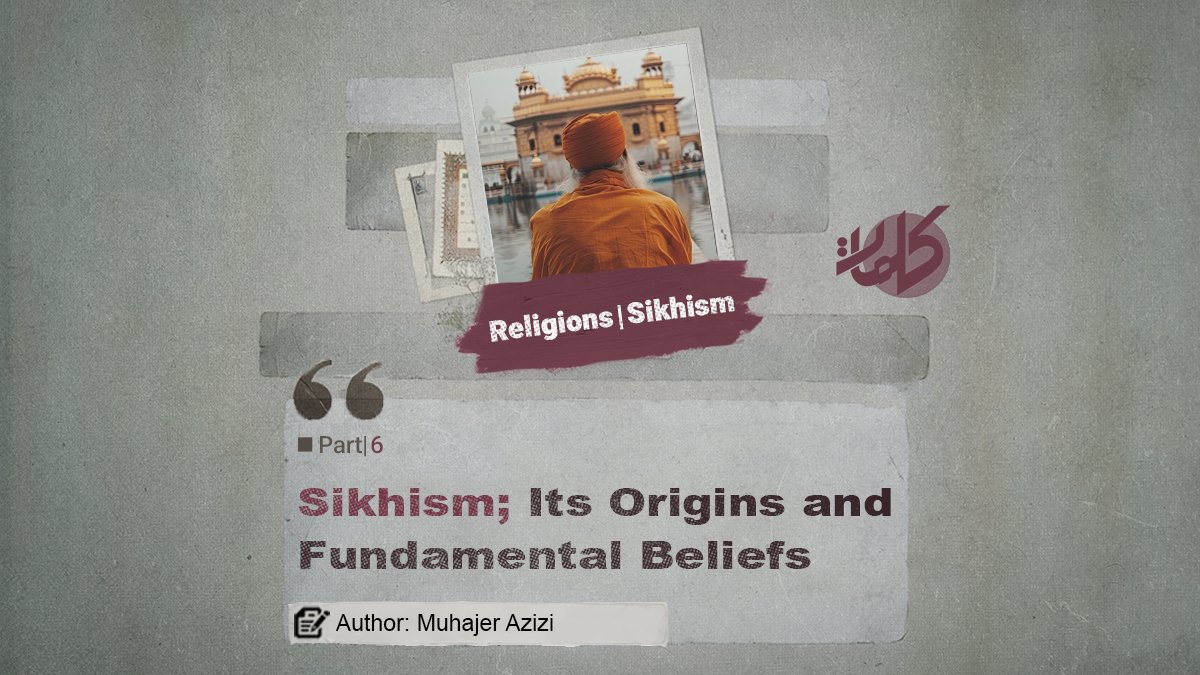
    1. Establishment of the Harmandir Sahib (Golden Temple): Ram Das was an energetic and influential figure who centralized the Sikh place of worship in the “Harmandir” (Temple of God). The temple was built on a small lake 35 miles southeast of Lahore. The site, which later became known as “Amritsar” (pool of nectar), has since been recognized as the most important Sikh temple.
    2. Establishment of Hereditary Succession: One of Ram Das’s distinctive actions was the establishment of a hereditary succession system, according to which he nominated his son as the next Sikh Guru.
    3. Founding of the Holy City of Amritsar: Ram Das founded the city of Amritsar, which was initially a village that later became a holy city. The most important Sikh temple, the “Golden Temple,” was also built in this city.

    Continues…

    Previous Part/ Next Part

    Islam Religions Sikhism

    Related Posts

    The Divine Education Model in the Family of the Prophets (Part 140)

    05/10/2026

    The Divine Education Model in the Family of the Prophets (Part 139)

    03/10/2026

    The Divine Education Model in the Family of the Prophets (Part 138)

    01/10/2026
    Leave A Reply Cancel Reply

    Follow us on the social media pages
    • Facebook
    • Twitter
    • Instagram
    • Telegram
    • WhatsApp
    Don’t miss

    The Divine Education Model in the Family of the Prophets (Part 140)

    A High-Level Delegation of Uzbek Scholars Visits the Kalemaat Academic and Research Organization

    The Divine Education Model in the Family of the Prophets (Part 139)

    The Divine Education Model in the Family of the Prophets (Part 138)

    About Us:

    The Academic and Research Organization of Kalemaat is an independent Islamic Da'wah organization affiliated with Ahl al-Sunnah wa al-Jama'ah. It is dedicated to promoting the authentic values of Islam, advancing the higher objectives of the Sharia, countering Western cultural influence, upholding the Word of Allah, and contributing to the intellectual and spiritual awakening of the Muslim Ummah.

    The Organization is supported by Muslim philanthropists and businessmen, and it welcomes the cooperation and support of Muslims worldwide in advancing its mission.

    Famous publications

    The Divine Education Model in the Family of the Prophets (Part 140)

    05/10/2026

    A High-Level Delegation of Uzbek Scholars Visits the Kalemaat Academic and Research Organization

    04/10/2026
    Follow us on social medias
    • Facebook
    • Twitter
    • YouTube
    • Telegram
    • Instagram
    • WhatsApp
    All right reserved by (kalemaat)
    • Home
    • Analysis of the day
    • The greats of the Ummah
    • library

    Type above and press Enter to search. Press Esc to cancel.