

Close Menu
    Facebook X (Twitter) Telegram WhatsApp
    • Language
      • دری
      • پښتو
    • Home
    • Analysis
    • Islam
      • Prophet of Islam (PBUH)
      • Holy Quran
      • Muslim
      • Belief
      • Faith
      • Worships
      • Jurisprudence
      • Jihad
      • Beauty of Islam
      • Islamic Economy
      • Islamic Management
      • Islamic Culture
      • Islamic Sufism
      • Crimes
      • Prohibitions
    • Religions
      • Judaism
      • Christianity
      • Buddhism
      • Hinduism
      • Zoroastrian
      • Satanism
      • Confucius
      • Sikhism
    • Ideas
      • Atheism
      • secularism
      • liberalism
      • Socialism
      • Communism
      • Democracy
      • Federalism
      • Fascism
      • Capitalism
      • Marxism
      • Feminism
      • Nationalism
      • Colonialism
      • Frankfurt School
    • Seduction
      • Mu’tazila
      • Murjea
      • Jahmiyyah Sect
      • Khawarij’s sedition
      • Rawafez sedition
      • Istishraq’s sedition
      • Ghamediyat’s sedition
      • Qadiani’s sedition
      • Qadriyyah Sect
      • Karramiyyah Sect
    • Ummah
      • Companions
        • Hazrat Abubakr Seddiq (MGH)
        • Hazrat Umar Farooq (MGH)
        • Hazrat Usman (MGH)
        • Biography of Hazrat Ali (MGH)
        • Hazrat Khaled bin Waleed (MGH)
        • Hazrat Firooz Dilami (MGH)
        • Hazrat Abdullah Ibn Zubair (MGH)
      • Mothers of the believers
      • Islamic scholars
        • Sayed Abul Hasan Nadavi (MGHM)
        • Grand Imam Abu Hanifah (MGHM)
        • Imam Bukhari (MGHM)
        • Imam Tirmidhi (MGHM)
        • Imam al-Ghazali (MGHM)
        • Shah Waliullah Dehlavi (MGHM)
        • Seyyed Jamaluddin Afghan
        • Maulana Jalaluddin Balkhi Rumi (MGHM)
      • Muslim Governor’s
        • Sultan Salahuddin Ayyubi (MGHM)
        • Omar bin Abdul Aziz (MGHM)
        • Sultan Yusuf bin Tashfin (MGHM)
      • Islamic scientists
    • Civilizations
      • Islamic civilization
      • Eastern & Western civilizations
    • Diverse
      • Ramadan Message
    • library
    Facebook X (Twitter) Telegram WhatsApp
    کلمات انگلیسیکلمات انگلیسی
    You are at:Home»Ideas»Freemasonry»Freemasonry (part 29)
    Freemasonry

    Freemasonry (part 29)

    admin2By admin212/02/2026Updated:12/02/2026No Comments3 Mins Read
    Share Facebook Twitter Telegram WhatsApp
    Share
    Facebook Twitter Telegram Email WhatsApp
    Author: Abu Raef
    Freemasonry (part 29)
    In previous discussions, we examined some of the symbols, patterns, and signs that indicated specific meanings, goals, and messages of Freemasonry and, in a way, conveyed a particular message of this movement to the world, messages usually associated with domination over others, political control, control of the world, deception, cunning, and so on.
    In this section, we will also address some of these signs and indications.
    Symbols of Inanimate Objects with Specific Connotation
    1. The Symbol of Light
      Although light in ancient Eastern civilizations symbolized divine manifestation, cosmic creation, new life from the Creator God, as well as enlightenment and spiritual clarity, in Masonic thought (especially in Royal Masonry) it is interpreted as the light that manifested to Prophet Moses (PBUH) on the mountain, or the light that moved ahead of Moses (PBUH) and his people on their way to Palestine.
    However, in Symbolic Masonry, “light” represents the light of human reason. [1]
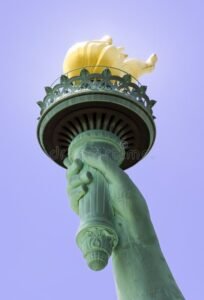
    1. The Symbol of Fire (the Torch of Liberty)
      This symbol signifies the destruction of the old-world order and the establishment of a new world order by the Masons, while preceding them is the torchbearer, the satanic idol “Lucifer.”
    This fire has two meanings:
    a) Enlightenment of thought, will, and purity;
    b) Destruction and severe, decisive war. [2]
    It appears that this symbol indicates that the Masons intend to rebuild the world anew and present a new and innovative order for it.
    1. The Symbol of the Inverted Cross “Cross of Peter”

    Although the inverted cross in Christian tradition symbolizes the humility of Saint Peter (because he did not consider himself worthy to be crucified in the same manner as Christ), in Masonic thought it is regarded as one of the symbols of Masonic Satanists and expresses rejection of and conflict with the traditional religious beliefs and teachings of the Christian Church. [3]
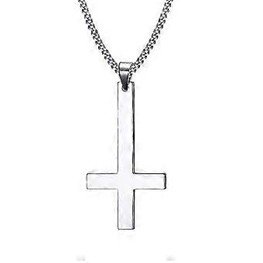
    It seems that this symbol also, in some way, affirms conflict and opposition to Christianity.
    1. The Symbol of the Broken Cross (Swastika)
    This symbol appeared in ancient civilizations, especially Asian civilizations, and symbolized good fortune, eternity, infinity, the eternal sun and its movement, as well as the four cardinal directions.
    However, in Masonic and Satanist thought, it expresses Masonry’s admiration for the aggressive and racist ideas of the Nazis toward others. [4]
    To be continued…

    Previous Part | Next Part

    References:
    1. Symbols in Art, Religions, and Life, p. 335.
    2. Signs, Symbols, and Myths, pp. 55–57.
    3. The Story of the Religious Symbol, p. 180; Symbols in Art, Religions, and Life, p. 388.
    4. Devil Worshippers: The Most Dangerous Contemporary Sects, p. 147.
    Freemasonry Freemasonry in Russia: Representative of a political opposition system The membership of the most famous political leaders of Europe and America in Freemasonry These principles belong to old Freemasonry
    admin2

    Related Posts

    Freemasonry (part 30)

    12/02/2026

    Freemasonry (part 28)

    11/02/2026

    Capitalism (part 8)

    10/02/2026
    Leave A Reply Cancel Reply

    Follow us on the social media pages
    • Facebook
    • Twitter
    • Instagram
    • Telegram
    • WhatsApp
    Don’t miss

    Freemasonry (part 30)

    Freemasonry (part 29)

    Resurrection After Death (part 14)

    The Quran: A Miracle Beyond Time- A Study of Its Miraculous Nature (part 87)

    About Us:

    The Scientific and Research Office of Kalemaat is an independent office affiliated with Ahl al-Sunnah wa al-Jama‘ah. It works to promote the true values of Islam, achieve the noble goals of the sacred Sharia, resist Western cultural influence, uphold the Word of Allah, and awaken the Muslim community.

    This office is supported by Muslim philanthropists and businessmen, and it also invites all Muslims to fully cooperate and contribute to its mission.

    Famous publications

    Freemasonry (part 30)

    12/02/2026

    Freemasonry (part 29)

    12/02/2026
    Follow us on social medias
    • Facebook
    • Twitter
    • YouTube
    • Telegram
    • Instagram
    • WhatsApp
    All right reserved by (kalemaat)
    • Home
    • Analysis of the day
    • The greats of the Ummah
    • library

    Type above and press Enter to search. Press Esc to cancel.