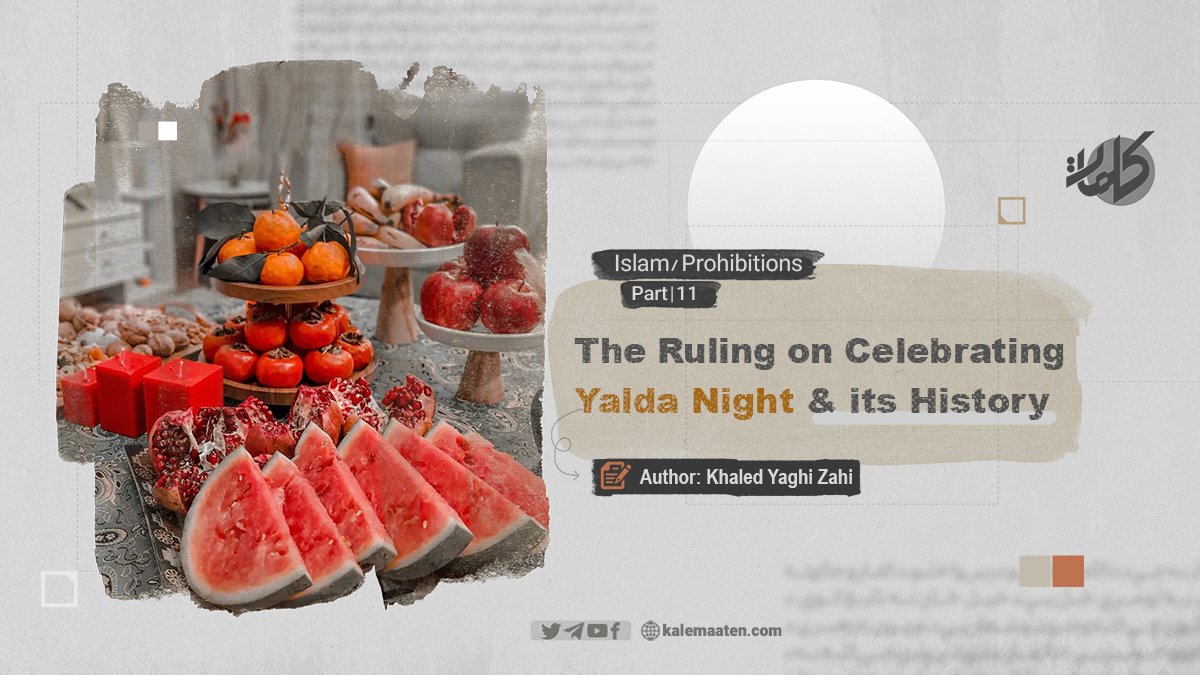
The Ruling on Celebrating Yalda Night and Its History (part 11)
Reason for the Prohibition of the Yalda Celebration
The third major reason upon which the ruling of prohibition of the Yalda celebration is based is the presence of prohibitions and major sins. These are as follows:
Free mixing between non-mahram men and women
One of the most evident prohibitions and major sins that occurs during the Yalda celebration is the gathering of relatives in homes and the mixing of non-mahram men and women. This is precisely dayyuthah (lack of protective jealousy). Imam Al-Mawardi (may Allah have mercy on him) said: “A dayyuth is the one who gathers non-mahram men and women together.” [1]
Allah the Exalted clarifies who is mahram and non-mahram in the Qur’an: (حُرِّمَتْ عَلَيْكُمْ أُمَّهَاتُكُمْ وَبَنَاتُكُمْ وَأَخَوَاتُكُمْ وَعَمَّاتُكُمْ وَخَالَاتُكُمْ وَبَنَاتُ الْأَخِ وَبَنَاتُ الْأُخْتِ وَأُمَّهَاتُكُمْ اللَّاتِي أَرْضَعْنَكُمْ وَأَخَوَاتُكُمْ مِنْ الرَّضَاعَةِ وَأُمَّهَاتُ نِسَائِكُمْ وَرَبَائِبُكُمْ اللَّاتِي فِي حُجُورِكُمْ مِنْ نِسَائِكُمْ اللَّاتِي دَخَلْتُمْ بِهِنَّ فَإِنْ لَمْ تَكُونُوا دَخَلْتُمْ بِهِنَّ فَلَا جُنَاحَ عَلَيْكُمْ وَحَلَائِلُ أَبْنَائِكُمْ الَّذِينَ مِنْ أَصْلَابِكُمْ وَأَنْ تَجْمَعُوا بَيْنَ الْأُخْتَيْنِ إِلَّا مَا قَدْ سَلَفَ إِنَّ اللَّهَ كَانَ غَفُورًا رَحِيمًا) Translation: “Forbidden to you are your mothers, your daughters, your sisters, your paternal aunts, your maternal aunts, the daughters of your brother, the daughters of your sister, your foster-mothers who nursed you, your foster-sisters, your wives’ mothers, your stepdaughters under your care born of your wives with whom you have consummated marriage; but if you have not consummated marriage with them, then there is no sin upon you; and the wives of your sons who are from your own loins, and that you combine two sisters in marriage; except for what has already passed. Indeed, Allah is Ever-Forgiving, Most Merciful.” [2]
And He says: (قُلْ لِلْمُؤْمِنِينَ يَغُضُّوا مِنْ أَبْصَارِهِمْ وَيَحْفَظُوا فُرُوجَهُمْ ذَلِكَ أَزْكَى لَهُمْ إِنَّ اللَّهَ خَبِيرٌ بِمَا يَصْنَعُونَ * وَقُلْ لِلْمُؤْمِنَاتِ يَغْضُضْنَ مِنْ أَبْصَارِهِنَّ وَيَحْفَظْنَ فُرُوجَهُنَّ وَلَا يُبْدِينَ زِينَتَهُنَّ إِلَّا مَا ظَهَرَ مِنْهَا وَلْيَضْرِبْنَ بِخُمُرِهِنَّ عَلَى جُيُوبِهِنَّ وَلَا يُبْدِينَ زِينَتَهُنَّ إِلَّا لِبُعُولَتِهِنَّ أَوْ آبَائِهِنَّ أَوْ آبَاءِ بُعُولَتِهِنَّ أَوْ أَبْنَائِهِنَّ أَوْ أَبْنَاءِ بُعُولَتِهِنَّ أَوْ إِخْوَانِهِنَّ أَوْ بَنِي إِخْوَانِهِنَّ أَوْ بَنِي أَخَوَاتِهِنَّ أَوْ نِسَائِهِنَّ أَوْ مَا مَلَكَتْ أَيْمَانُهُنَّ أَوِ التَّابِعِينَ غَيْرِ أُولِي الْإِرْبَةِ مِنَ الرِّجَالِ أَوِ الطِّفْلِ الَّذِينَ لَمْ يَظْهَرُوا عَلَى عَوْرَاتِ النِّسَاءِ وَلَا يَضْرِبْنَ بِأَرْجُلِهِنَّ لِيُعْلَمَ مَا يُخْفِينَ مِنْ زِينَتِهِنَّ وَتُوبُوا إِلَى اللَّهِ جَمِيعًا أَيُّهَ الْمُؤْمِنُونَ لَعَلَّكُمْ تُفْلِحُونَ) Translation: “Tell the believing men to lower their gaze and guard their private parts; that is purer for them. Indeed, Allah is All-Aware of what they do. And tell the believing women to lower their gaze and guard their private parts and not to display their adornment except what ordinarily appears thereof, and to draw their head coverings over their chests, and not to display their adornment except to their husbands, or their fathers, or their husbands’ fathers, or their sons, or their husbands’ sons, or their brothers, or their brothers’ sons, or their sisters’ sons, or their women, or those whom their right hands possess, or male attendants who have no desire, or children who are not yet aware of women’s private aspects. And let them not strike their feet so that what they conceal of their adornment may be known. And turn to Allah in repentance, all of you, O believers, that you may succeed.” [3]
Now look at how much looking at non-mahram persons occurs in these gatherings under the pretext of celebration and festivity. Without doubt, it does occur, because the mixing of non-mahram men and non-mahram women necessarily and unquestionably leads to looking at non-mahram persons. While the Messenger of Allah (PBUH) said:
“كُتِبَ عَلَى ابْنِ آدَمَ نَصِيبُهُ مِنَ الزِّنَا مُدْرِكٌ ذَلِكَ لَا مَحَالَةَ، فَالْعَيْنَانِ زِنَاهُمَا النَّظَرُ، وَالْأُذُنَانِ زِنَاهُمَا الِاسْتِمَاعُ، وَاللِّسَانُ زِنَاهُ الْكَلَامُ، وَالْقَلْبُ يَهْوَى وَيَتَمَنَّى، وَيُصَدِّقُ ذَلِكَ الْفَرْجُ أَوْ يُكَذِّبُهُ” Translation: “It has been decreed for the son of Adam his share of adultery, which he will inevitably reach. The adultery of the eyes is looking, the adultery of the ears is listening, the adultery of the tongue is speaking, the heart desires and wishes, and the private parts either confirm it or deny it.” [4]
Glory be to Allah! How much the hands, ears, eyes, and hearts fall into adultery and the unlawful in these gatherings, yet still a group says: such gatherings are good and commendable! The greatest and most severe calamity is that women, because these days are considered celebrations and festivals, apply perfume and adorn themselves to attend gatherings, revealing their adornment to non-mahram men and going into this unlawful mixing with fragrance, while the Messenger of Allah (PBUH) said: “كُلُّ عَيْنٍ زَانِيَةٌ، وَالْمَرْأَةُ إِذَا اسْتَعْطَرَتْ فَمَرَّتْ بِالْمَجْلِسِ فَهِيَ كَذَا وَكَذَا، يَعْنِي زَانِيَةٌ” “Every eye commits adultery, and a woman who perfumes herself and passes by a gathering is such and such; meaning, an adulteress.” [5]
Therefore, those who participate in these gatherings should look at their own state, reassess themselves, and answer this question: Is the Lord pleased with their actions? Can these celebrations be a cause of Allah’s pleasure and bring one closer to Him?
Al-Mawardi, Ali ibn Muhammad Habib, Adab al-Dunya wa al-Din, vol. 1, p. 331, Chapter Five: On Truthfulness and Lying, Publisher: Dar wa Maktabat al-Hilal – Riyadh.
Surah An-Nisa’, Ayah: 23.
Surah An-Nur, Ayahs: 30–31.
Al-Naysaburi, Muslim ibn al-Hajjaj, Sahih Muslim, vol. 4, p. 2046, Book of Al-Qadar, Chapter: The decree for the son of Adam regarding his share of adultery and other matters, Hadith no. 2657, Publisher: Dar Ihya’ al-Turath al-‘Arabi – Beirut.
Al-Tirmidhi, Muhammad ibn ‘Isa, Al-Jami‘ al-Sahih Sunan al-Tirmidhi, vol. 5, p. 106, Book of Manners, Chapter: What has been reported regarding the dislike of a woman going out perfumed, Hadith no. 2786, Publisher: Dar Ihya’ al-Turath al-‘Arabi – Beirut.