

Close Menu
    Facebook X (Twitter) Telegram WhatsApp
    • Language
      • دری
      • پښتو
    • Home
    • Analysis
    • Islam
      • Prophet of Islam (PBUH)
      • Holy Quran
      • Muslim
      • Belief
      • Faith
      • Worships
      • Jurisprudence
      • Jihad
      • Beauty of Islam
      • Islamic Economy
      • Islamic Management
      • Islamic Culture
      • Islamic Sufism
      • Crimes
      • Prohibitions
    • Religions
      • Judaism
      • Christianity
      • Buddhism
      • Hinduism
      • Zoroastrian
      • Satanism
      • Confucius
      • Sikhism
    • Ideas
      • Atheism
      • secularism
      • liberalism
      • Socialism
      • Communism
      • Democracy
      • Federalism
      • Fascism
      • Capitalism
      • Marxism
      • Feminism
      • Nationalism
      • Colonialism
      • Frankfurt School
    • Seduction
      • Mu’tazila
      • Murjea
      • Jahmiyyah Sect
      • Khawarij’s sedition
      • Rawafez sedition
      • Istishraq’s sedition
      • Ghamediyat’s sedition
      • Qadiani’s sedition
      • Qadriyyah Sect
      • Karramiyyah Sect
    • Ummah
      • Companions
        • Hazrat Abubakr Seddiq (MGH)
        • Hazrat Umar Farooq (MGH)
        • Hazrat Usman (MGH)
        • Biography of Hazrat Ali (MGH)
        • Hazrat Khaled bin Waleed (MGH)
        • Hazrat Firooz Dilami (MGH)
        • Hazrat Abdullah Ibn Zubair (MGH)
      • Mothers of the believers
      • Islamic scholars
        • Sayed Abul Hasan Nadavi (MGHM)
        • Grand Imam Abu Hanifah (MGHM)
        • Imam Bukhari (MGHM)
        • Imam Tirmidhi (MGHM)
        • Imam al-Ghazali (MGHM)
        • Shah Waliullah Dehlavi (MGHM)
        • Seyyed Jamaluddin Afghan
        • Maulana Jalaluddin Balkhi Rumi (MGHM)
      • Muslim Governor’s
        • Sultan Salahuddin Ayyubi (MGHM)
        • Omar bin Abdul Aziz (MGHM)
        • Sultan Yusuf bin Tashfin (MGHM)
      • Islamic scientists
    • Civilizations
      • Islamic civilization
      • Eastern & Western civilizations
    • Diverse
      • Ramadan Message
    • library
    Facebook X (Twitter) Telegram WhatsApp
    کلمات انگلیسیکلمات انگلیسی
    You are at:Home»Ideas»Freemasonry»Freemasonry (part 27)
    Freemasonry

    Freemasonry (part 27)

    admin2By admin209/02/2026No Comments4 Mins Read
    Share Facebook Twitter Telegram WhatsApp
    Share
    Facebook Twitter Telegram Email WhatsApp
    Author: Abu Raef
    Freemasonry (part 27)
    Continuation of Masonic symbols inspired by animals
    In the previous two sections, we examined those symbols that were designed and presented based on the characteristics and attributes of animals. Now, in continuation of the same discussion, we will evaluate and examine some of those symbols and indications.
    The “Red Cow” slogan 
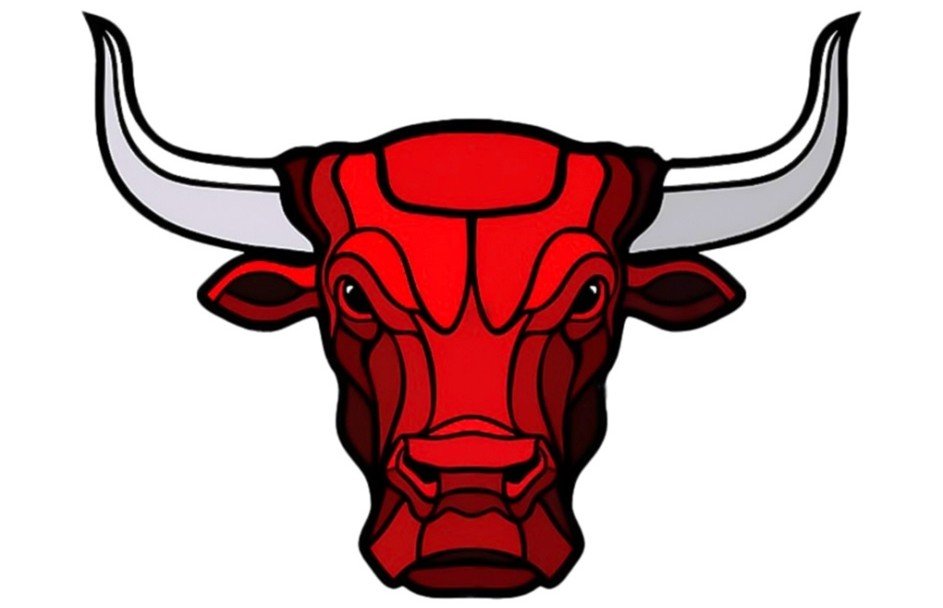
    Although the cow in ancient civilizations was a symbol of strength, ability, fertility, and usefulness, in Masonic thought it refers to the nearness of the time of the appearance of the “promised Jewish king.” For this reason, this symbol is used as the slogan of many major global Jewish companies, especially in the dairy industry and its products. [1]
    The “Fish” slogan
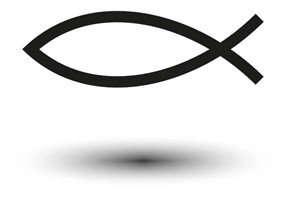
    This symbol was first used by early Christians as a secret sign through which they could recognize one another, especially among the apostles and their followers, without being exposed to persecution, harm, and torture by Roman pagans, before Christianity was accepted as the official religion of the Roman Empire.
    But in Masonic thought, this slogan is a symbol of the use of absolute violence against non-Masons throughout the world. [2]
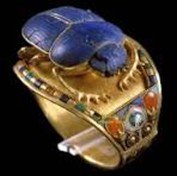
    The “Beetle” (Scarabaeus) slogan
    Although the beetle (or scarab) among the ancient Egyptians was considered a symbol of life and vitality, in Masonic ideology it is regarded as one of the symbols of Satan and is often used in the form of a ring worn on the right hand. [3]
    The “Young, Playful, Deviant Rabbit” slogan
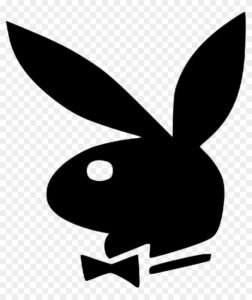
    Although the wild rabbit in ancient civilizations symbolized reproduction, natural fertility of Mother Earth, rebirth, the return of youth, resurrection, increase of offspring, and sexual desire, this symbol in contemporary Masonry is considered one of the most dangerous lustful and permissive signs.
    This slogan symbolizes complete and public sexual permissiveness in all its forms and behaviors, without any punishment or religious deterrent. To promote this, even special obscene magazines such as Playboy were dedicated to it, founded by Hugh Hefner, whose first issue was published in 1953 in the United States. [4]
    Conclusion of this discussion
    From the collection of the above material, the following conclusions can be drawn regarding animal symbols in Masonic thought:
    The three-headed snake slogan: a symbol of declaring war against religious, civil, and military powers, with the aim of destroying them and leaving a world without any religion except the Jewish-Masonic religion.
    The snake devouring its own tail slogan: a symbol of domination and control over the inhabitants of the earth.
    The lion and eagle slogans: symbols of power, violence, dominance, courage, and readiness to crush any obstacle in their path, as well as the widespread influence of global Masonry in all human societies.
    The yellow butterfly slogan: a symbol of control over human minds through global media.
    The owl slogan: a symbolic description of the Masons themselves as the sole possessors of wisdom and knowledge on this planet.
    The red cow slogan: a symbol of the nearness of the appearance of the Jewish king.
    The fish slogan: a symbol of the use of absolute violence against non-Masons.
    The beetle slogan: one of the symbols of Satan, often used in the form of a ring worn on the right hand.
    The rabbit slogan: a symbol of sexual permissiveness and the public practice of its behaviors without any punishment. [5]
    To be continued…

    Previous Part

    References:
    1. Bilal al-Ali, Bilal Musa, The Story of the Religious Symbol, p. 125, year of publication: 2011, no place of publication.
    2. The Illustrated Encyclopedia of Traditional Symbols, pp. 226–227.
    3. The Story of the Religious Symbol, p. 150.
    4. The Illustrated Encyclopedia of Traditional Symbols, pp. 245–265.
    5. Connotations of Sacred Symbols and Numbers in Masonic Thought, p. 227.

    Deviant Rabbit” slogan Freemasonry Freemasonry in Hungary: An admission of representing a state political system Playful The “Beetle” (Scarabaeus) slogan The “Fish” slogan The “Red Cow” slogan The “Young These principles belong to old Freemasonry
    admin2

    Related Posts

    Capitalism (part 8)

    10/02/2026

    Freemasonry (part 26)

    08/02/2026

    Freemasonry (Part 25)

    07/02/2026
    Leave A Reply Cancel Reply

    Follow us on the social media pages
    • Facebook
    • Twitter
    • Instagram
    • Telegram
    • WhatsApp
    Don’t miss

    The Divine Education Model in the Family of the Prophets (part 72)

    The Quran: A Miracle Beyond Time- A Study of Its Miraculous Nature (part 86)

    Resurrection After Death (part 12)

    Capitalism (part 8)

    About Us:

    The Scientific and Research Office of Kalemaat is an independent office affiliated with Ahl al-Sunnah wa al-Jama‘ah. It works to promote the true values of Islam, achieve the noble goals of the sacred Sharia, resist Western cultural influence, uphold the Word of Allah, and awaken the Muslim community.

    This office is supported by Muslim philanthropists and businessmen, and it also invites all Muslims to fully cooperate and contribute to its mission.

    Famous publications

    The Divine Education Model in the Family of the Prophets (part 72)

    10/02/2026

    The Quran: A Miracle Beyond Time- A Study of Its Miraculous Nature (part 86)

    10/02/2026
    Follow us on social medias
    • Facebook
    • Twitter
    • YouTube
    • Telegram
    • Instagram
    • WhatsApp
    All right reserved by (kalemaat)
    • Home
    • Analysis of the day
    • The greats of the Ummah
    • library

    Type above and press Enter to search. Press Esc to cancel.