

Author: Abu Raef
Freemasonry (part 26)
Symbols of Animals and Their Masonic Connotations (Continued)
The Symbol of the Yellow Butterfly
The connotations of the butterfly symbol in ancient civilizations have been very diverse and varied.
Among the Chinese, it is a symbol of immortality and lasting comfort.
Among the Greeks, it is regarded as a symbol of immortality, the soul, and a beautiful, seductive woman.
In Christianity, it is a symbol of resurrection.
Among the Japanese, it is considered a symbol of the seduction of a frivolous woman and an unfaithful lover. [1]

In Masonic thought, however, the butterfly is a symbol of “control” and “domination” over human minds, especially through global media and television programs, particularly programs, films, and songs specifically aimed at children. [2]
The Symbol of the Eagle
The eagle is among the sacred symbols in ancient civilizations, a symbol of power, sharpness, and keen eyesight. In Christianity, however, it is regarded as a symbol of Jesus Christ (PBUH) and Saint John the Evangelist.
In Masonic thought, the eagle symbolizes power, courage, and perseverance in achieving goals, and it is used as the emblem of many major global corporations.
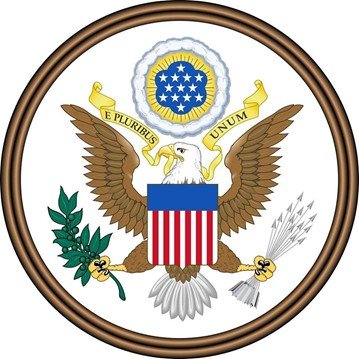
In one of the symbolic images of the Masonic eagle, it is seen holding “13 arrows” in one of its talons, symbolizing war and power, and “13 olive branches” in the other talon, symbolizing global peace. [3]
The Symbol of the Owl
Although in ancient civilizations the owl was a symbol of night, the dark world, evil, and death, at the same time it was also considered a symbol of wisdom and knowledge.
The owl is the symbol of the goddess of wisdom “Minerva” (the daughter of Jupiter) in ancient Roman civilization, a goddess who was believed to have the ability to see objects in the heart of darkness.
Among the Freemasons, however, the owl is considered one of their most important and exclusive symbols, because they regard themselves as the sole possessors of wisdom and knowledge on this planet, and consider others to be devoid of it.
This symbol also points to the economic dominance of the Freemasons over the nations of the world, as its presence can be observed in the logos of many major global corporations.
This belief in Freemasonry is influenced by Sumerian traditions and their god “Moloch,” who was regarded as the god of fire and the king of magic. There is also a massive statue of an owl in the area known as “Bohemian Grove” (a secret location in the state of California), where powerful and influential figures of the world gather and perform satanic rituals and ceremonies in order to draw closer to Satan. [4]
These matters represent part of the connotations and signs of Freemasonry that have been designed and conceptualized based on the characteristics and attributes of animals. In later discussions, further aspects of these matters will be evaluated and examined.
To be continued…
Previous Part | Next Part
References:
- The Illustrated Encyclopedia of Traditional Symbols, p. 80.
- Symbols in Art, Religions, and Life, p. 203.
- Connotations of Sacred Symbols and Numbers in Masonic Thought, p. 226.
- Connotations of Sacred Symbols and Numbers in Masonic Thought, p. 227.
