Close Menu
    Facebook X (Twitter) Telegram WhatsApp
    • Language
      • دری
      • پښتو
      • العربیة
    • Home
    • Analysis
    • Islam
      • Prophet of Islam (PBUH)
      • Holy Quran
      • Muslim
      • Belief
      • Faith
      • Worships
      • Fiqh
      • Jihad
      • Islamic Perspectives
      • Islamic Economics
      • Islamic Management
      • Islamic Culture
      • Sufism
      • Crimes
      • Prohibitions
      • Sayings of the Scholars
      • Muhajir Tafsir
      • Hadith
    • Religions
      • Judaism
      • Christianity
      • Buddhism
      • Hinduism
      • Zoroastrianism
      • Satanism
      • Confucianism
      • Sikhism
    • Theories
      • Atheism
      • Secularism
      • liberalism
      • Socialism
      • Communism
      • Democracy
      • Federalism
      • Fascism
      • Capitalism
      • Marxism
      • Feminism
      • Nationalism
      • Colonialism
      • Frankfurt School
      • Freemasonry
      • Humanism
    • Fitan
      • Mu’tazila
      • Murji’ah
      • Jahmiyyah
      • The Fitna of the Khawarij
      • The Fitna of the Rawafid
      • The Fitna of Orientalism
      • Ghamdism
      • The Fitna of the Qadianis
      • Qadariyyah
      • Karramiyyah
    • Ummah
      • Sahabah (Companions of the Prophet ﷺ)
        • Hazrat Abu bakr Siddiq (RA)
        • Hazrat Umar al-Faruq (RA)
        • Hazrat Uthman ibn Affan (RA)
        • Hazrat Ali (RA)
        • Hazrat Khalid ibn al-Walid (RA)
        • Hazrat Fayruz al-Daylami (RA)
        • Hazrat Abdullah ibn al-Zubayr (RA)
      • Ummahat al-Mu’minin
      • Islamic scholars
        • Allamah Sayyid Abul Hasan Ali Nadwi (RH)
        • Imam al-Aʿzam Abu Hanifa (RH)
        • Imam al-Bukhari (RH)
        • Imam al-Tirmidhi (RH)
        • Imam al-Ghazali (RH)
        • Shah Waliullah al-Dehlawi (RH)
        • Sayyid Jamal al-Din Afghani
        • Mawlana Jalal al-Din Muhammad Balkhi Rumi (RH)
      • Muslim Rulers
        • Sultan Salahuddin Ayyubi (RH)
        • Umar ibn Abd al-Aziz (RH)
        • Sultan Yusuf ibn Tashfin (RH)
      • Muslim Scientists
    • Civilizations
      • Islamic Civilization
      • Eastern and Western Civilizations
      • Traces of History
    • Diverse
      • Ramadan Message
      • Reports
      • Light and Darkness
    • library
    Facebook X (Twitter) Telegram WhatsApp Instagram Pinterest YouTube
    kalemaat Englishkalemaat English
    You are at:Home»Diverse»Youths; Future Builders of the Society (Part 4)
    Diverse

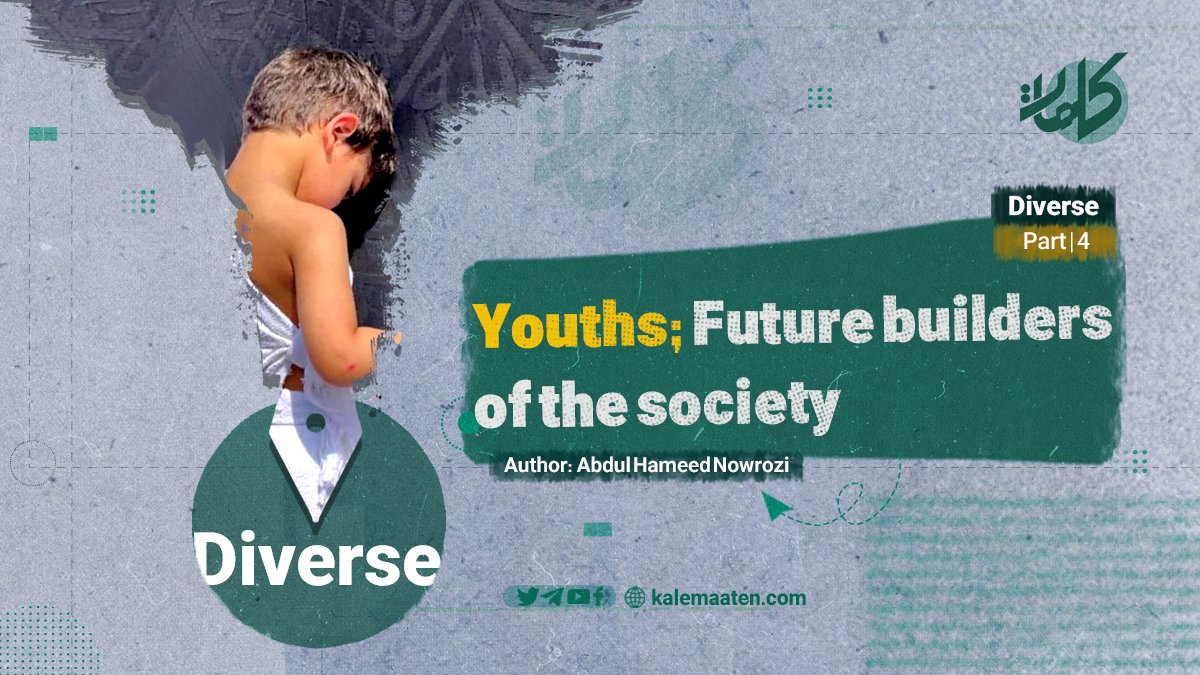
    Youths; Future Builders of the Society (Part 4)

    By 27/08/2024Updated:27/08/2024No Comments3 Mins Read
    Share Facebook Twitter Telegram WhatsApp
    Share
    Facebook Twitter Telegram Email WhatsApp
    Author: Abdulhameed Nowrozi
    Youths; Future Builders of the Society (Part 4)
    Comparing the Youth of the Past and Today
    The challenges faced by youth in the past were not the same as those encountered by today’s youth, nor were they as severe. The youth of earlier times lived relatively simpler lives and did not experience the complexities that today’s youth are confronting. Therefore, when comparing the youth of the past with the youth of today, we must acknowledge that the former faced fewer difficulties. This claim can be supported by several reasons, including the following:
    1. In the past, culture was much simpler and less complex than it is today. The thinking of that time was more straightforward, free from deceit and trickery, and appeared much healthier. Although mixed with certain illusions and superstitions, the culture of that time was more limited and did not mislead students on their path to learning. Additionally, the customs of that era were simpler and less complicated than those of today.
    2. In the past, science, industry, and knowledge seemed more limited. The world of work and production at that time was not as complex and diverse as it is today. For this reason, young people did not need to acquire much knowledge or special technical expertise. Things were done simply and easily, and learning was accomplished quickly and effortlessly. Because of this, the thoughts of young people remained calm, and their job assignments were clear. Additionally, their sleep and rest conditions were straightforward, and anxiety and confusion in life were almost negligible.
    3. Adherence to religious and moral beliefs was more prevalent in the past. In their beliefs and customs, healthy values and virtues such as honesty and trust, as well as avoidance of trickery and betrayal, seemed comparatively more prominent.
    4. The provision of conditions for economic, social, moral, and spiritual membership in the society in which the youth lived was more defined in the past. Today, these characteristics are lacking, leading to some ambiguity and doubt about their place in society, as well as confusion in interpersonal interactions and relationships.
    Characteristics of Youth
    Youth possess characteristics and features that, if not utilized properly and in the right way, can lead to personal, social, religious, and other harms. Here are some characteristics of youth:
    1. Youth is a time of strength and power. The meaning of “strength” in verse 54 of Surah Ar-Rum refers to the vitality of youth: «ثُمَّ جَعَلَ مِنْ بَعْدِ قُوَّةٍ ضَعْفًا وَشَیبَةً». It is during youth that human strength is amplified and the foundation of one’s being is established until it reaches its full growth and potential.
    2. Youth is a time of moderation and balance in every aspect. During this period, everything—body, mind, memory, and health—reaches its peak. It is crucial for individuals to capitalize on this moderation; otherwise, future regret may be unavoidable.
    3. Youth is a time of excitement and passion. During this time, feelings and emotions surge within individuals, and even the development of personal growth and spirituality intensifies.
    4. Practically, young people are brave and strive for independence from their families and parental figures. In this stage of life, they encounter new challenges in terms of identity, behavior, independence, and more. They aspire to be leaders and gain recognition, often going to great lengths to achieve these goals.
    Continues…

    Related Posts

    The Divine Education Model in the Family of the Prophets (Part 144)

    19/10/2026

    The Divine Education Model in the Family of the Prophets (Part 143)

    18/10/2026

    The Divine Education Model in the Family of the Prophets (Part 142)

    17/10/2026
    Leave A Reply Cancel Reply

    Follow us on the social media pages
    • Facebook
    • Twitter
    • Instagram
    • Telegram
    • WhatsApp
    Don’t miss

    Imam al-A‘zam Abu Hanifa (RA): The Role Model (part 37)

    The Reality of Repentance

    Increase in Lifespan

    Imam al-A‘zam Abu Hanifa (RA): The Role Model (part 36)

    About Us:

    The Academic and Research Organization of Kalemaat is an independent Islamic Da'wah organization affiliated with Ahl al-Sunnah wa al-Jama'ah. It is dedicated to promoting the authentic values of Islam, advancing the higher objectives of the Sharia, countering Western cultural influence, upholding the Word of Allah, and contributing to the intellectual and spiritual awakening of the Muslim Ummah.

    The Organization is supported by Muslim philanthropists and businessmen, and it welcomes the cooperation and support of Muslims worldwide in advancing its mission.

    Famous publications

    Imam al-A‘zam Abu Hanifa (RA): The Role Model (part 37)

    21/10/2026

    The Reality of Repentance

    21/10/2026
    Follow us on social medias
    • Facebook
    • Twitter
    • YouTube
    • Telegram
    • Instagram
    • WhatsApp
    All right reserved by (kalemaat)
    • Home
    • Analysis of the day
    • The greats of the Ummah
    • library

    Type above and press Enter to search. Press Esc to cancel.
