Author: Khaled Yaghi Zahi
The Ruling on Celebrating Yalda Night and its History (part 12)
Reason for the Prohibition of the Yalda Celebration
-
Extravagance in Wealth and Food
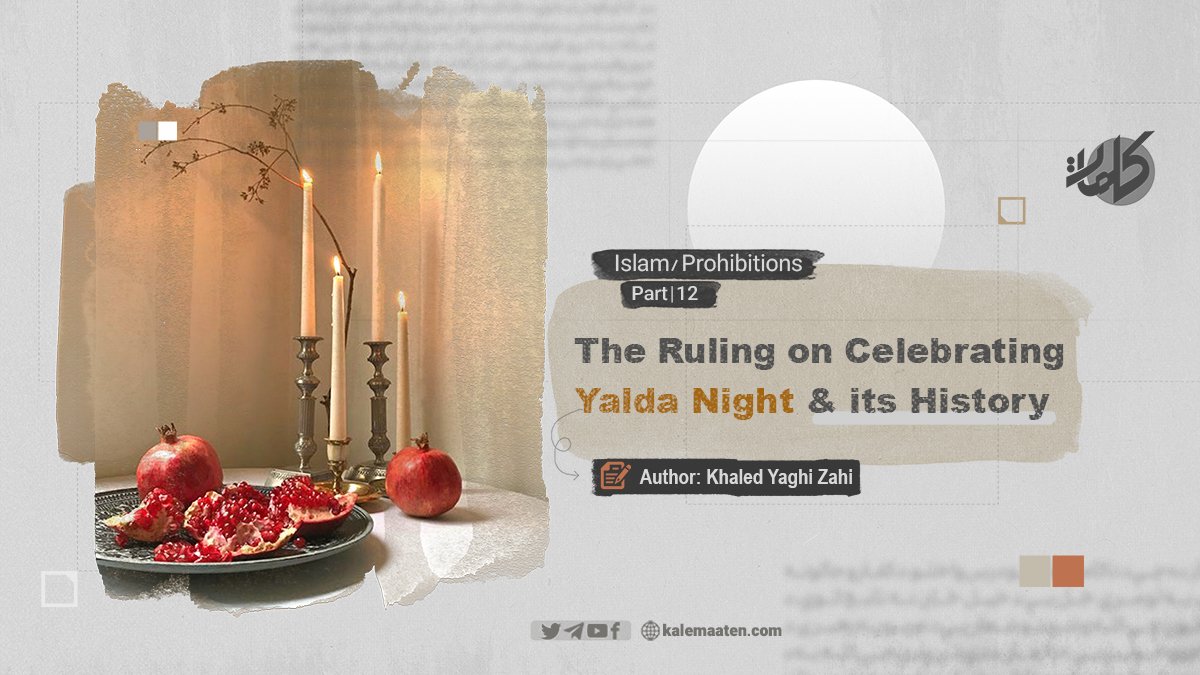
Yalda night is the first night of winter; it is a cold night in which the poor spend the night without proper shelter and sufficient, good food. They do not have suitable clothing, they do not have access to hot water, and they do not have a warm place to sleep. Worn-out clothes… a cold place… On this night, you gather together, while these poor people sleep completely alone by the walls of the city in the freezing cold of the first days of winter; perhaps on cardboard or a small mat. On this night, you eat various kinds of fruits, nuts, and sweets, while the poor may not have eaten even a single bite of food the entire day.
Glory be to Allah! How can you be at ease while the poor and destitute are in such a condition? Moreover, how can you commit extravagance and waste despite the presence of so many poor people? Have you not heard that Allah says: “إِنَّ الْمُبَذِّرِينَ كَانُوا إِخْوَانَ الشَّيَاطِينِ وَكَانَ الشَّيْطَانُ لِرَبِّهِ كَفُورًا” Translation: “Indeed, the wasteful are brothers of the devils, and Satan has always been ungrateful to his Lord.” [1]
Do you like, through your extravagance and wastefulness, to be brothers to the devils? While you gather; based on a hollow claim to repel devils, yet through these prohibitions, extravagance, and sins, you and the devils sit at the same table and in the same gathering! Why do you squander so much food, fruit, and provisions, consuming half and throwing the rest into the trash? Or consuming more than your actual need?
Listen to what Allah, the All-Knowing, says: “وَهُوَ الَّذِي أَنْشَأَ جَنَّاتٍ مَعْرُوشَاتٍ وَغَيْرَ مَعْرُوشَاتٍ وَالنَّخْلَ وَالزَّرْعَ مُخْتَلِفًا أُكُلُهُ وَالزَّيْتُونَ وَالرُّمَّانَ مُتَشَابِهًا وَغَيْرَ مُتَشَابِهٍ ۚ كُلُوا مِنْ ثَمَرِهِ إِذَا أَثْمَرَ وَآتُوا حَقَّهُ يَوْمَ حَصَادِهِ ۖ وَلَا تُسْرِفُوا ۚ إِنَّهُ لَا يُحِبُّ الْمُسْرِفِينَ” Translation: “And He it is who produces gardens, trellised and untrellised, and palm trees, and crops of diverse taste, and olives and pomegranates, similar and dissimilar. Eat of their fruit when they ripen, and give its due on the day of harvest, and do not be extravagant. Indeed, He does not love the extravagant.” [2]
Allah mentions all these fruits and then commands do not be extravagant, for Allah does not love those who are extravagant. Why do you buy fruits, nuts, and food beyond your need? Why do you not purchase these fruits and nuts in their proper place and time? Do you know that buying nuts, fruits, sweets, cotton candy, halva, and all these foods for Yalda night is fundamentally based on extravagance?
Perhaps you do not know the definition of extravagance. Rāghib al-Iṣfahānī says: “السرف تجاوز الحد في كل فعل يفعله الإنسان” Translation: “Extravagance means exceeding the proper limit in every action a person performs.” [3]
Excess in any matter is extravagance; and if you do something outside its proper place, that act is considered excess and thus falls under the definition of extravagance. Allah says: “يَا بَنِي آدَمَ خُذُوا زِينَتَكُمْ عِندَ كُلِّ مَسْجِدٍ وَكُلُوا وَاشْرَبُوا وَلَا تُسْرِفُوا إِنَّهُ لَا يُحِبُّ الْمُسْرِفِينَ” Translation: “O children of Adam! Take your adornment at every mosque (and at every prayer), and eat and drink, but do not be extravagant. Indeed, Allah does not love the extravagant.” [4]
Allah the Exalted even forbids extravagance and excess in the context of zakat and charity—let alone in such matters. Allah says: “وَآتِ ذَا الْقُرْبَىٰ حَقَّهُ وَالْمِسْكِينَ وَابْنَ السَّبِيلِ وَلَا تُبَذِّرْ تَبْذِيرًا إِنَّ الْمُبَذِّرِينَ كَانُوا إِخْوَانَ الشَّيَاطِينِ وَكَانَ الشَّيْطَانُ لِرَبِّهِ كَفُورًا” Translation: “And give the relative his right, and the poor, and the traveler, and do not squander wastefully. Indeed, the squanderers are brothers of the devils, and Satan is ever ungrateful to his Lord.” [5]
But the core of the problem is that those who commit extravagance always think they are doing something good. They think that through their extravagance they are generous people, or noble and magnanimous individuals who give and spend abundantly. They think they have properly provided everything for their families. They imagine their actions are commendable and that there is no fault or shame in them. Yes, the essence of the problem lies here: the deeds of the extravagant are always made to appear attractive to them: “كَذَٰلِكَ زُيِّنَ لِلْمُسْرِفِينَ مَا كَانُوا يَعْمَلُونَ” Translation: “Thus, what they used to do was made appealing to the extravagant.” [6]
Those who commit extravagance lack personal stability and are not worthy of consultation; therefore, one should never deliberate with them nor accept their opinions. Allah says: “وَلَا تُطِيعُوا أَمْرَ الْمُسْرِفِينَ” Translation: “And do not obey the command of the extravagant.” [7]
Allah even forbids extravagance in giving charity! Where are those people who, according to their own claim, describe themselves as generous hearted in order to justify their extravagance? Extravagance in charity, almsgiving, and zakat is also blameworthy; let alone these futile acts performed during the celebration of Yalda night, which are fundamentally problematic. Allah says regarding His special servants: “وَالَّذِينَ إِذَا أَنْفَقُوا لَمْ يُسْرِفُوا وَلَمْ يَقْتُرُوا وَكَانَ بَيْنَ ذَٰلِكَ قَوَامًا” Translation: “And those who, when they spend, are neither extravagant nor miserly, but are moderate between the two.”
To be continued…
References:
- Surah Al-Isra’, Ayah: 27.
- Surah Al-An‘am, Ayah: 141.
- Al-Asfahani, Husayn ibn Muhammad, Al-Mufradat fi Gharib al-Qur’an, Vol. 1, p. 230, entry: Israf; Publisher: Dar al-Ma‘rifah, Beirut, Lebanon.
- Surah Al-A‘raf, Ayah: 31.
- Surah Al-Isra’, Ayahs: 26–27.
- Surah Yunus, Ayah: 12.
- Surah Ash-Shu‘ara’, Ayah: 151.
- Surah Al-Furqan, Ayah: 67.